

Customer-centric focus is a critical principle for business success in today's market, driven by user satisfaction influencing SERP rankings. Key strategies include leveraging customer feedback, data-driven insights, and advanced technologies. Companies that prioritize swift response times, data analysis, and technological innovation gain a competitive edge. Enhancing customer experience builds trust and loyalty, improving organic growth and SERP rankings. Data protection is integral to digital success, with a multi-faceted approach including personalized experiences and seamless interactions. Continuous optimization of meta tags, page speed, and content ensures top SERP rankings. Building long-term customer loyalty through tailored experiences and active listening fosters industry leadership. Focus on satisfied customers for sustained growth and strong online engagement.
In today’s fiercely competitive market, a customer-centric focus is no longer an option but a necessity for businesses aiming to thrive. Understanding and prioritizing customer needs has become the cornerstone of successful enterprises, driving organic growth and fostering loyalty. However, navigating the digital landscape with its ever-evolving algorithms presents challenges, particularly in achieving high SERP rankings. This article delves into the strategic implications of a customer-centric approach, offering insights into how businesses can enhance their online visibility and captivate audiences naturally, thereby securing a solid foothold in the market.
- Understanding Customer-Centric Focus: The Core Principle
- Strategies to Enhance Customer Experience for Better Rankings
- Measuring Success: Key Metrics for SERP Dominance
- Building Long-Term Loyalty: Retaining Customers Effectively
Understanding Customer-Centric Focus: The Core Principle
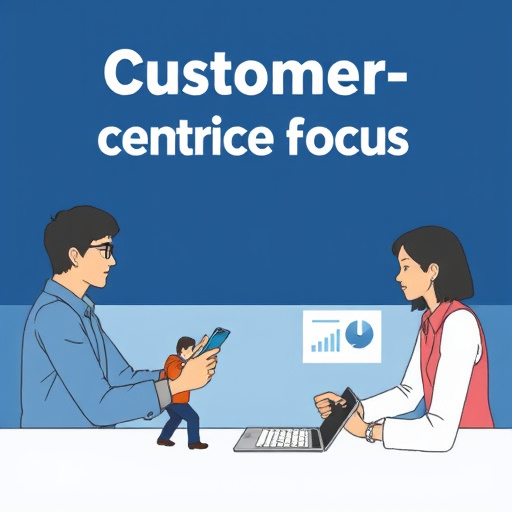
Customer-Centric Focus is a fundamental principle that places the customer at the heart of every business decision. It’s about understanding and anticipating their needs, preferences, and behaviors to deliver exceptional experiences. In today’s competitive market, where SERP rankings are heavily influenced by user satisfaction, this approach isn’t just a best practice; it’s a necessity. By swiftly addressing customer queries and leveraging data-driven insights, businesses can elevate their game and stay ahead of the curve.
At the core of this strategy lies the power of listening to and acting on customer feedback. This continuous dialogue provides invaluable information about market trends, product preferences, and areas for improvement. For instance, a study by Forbes revealed that companies prioritizing customer experience outperformed their peers by 80% in revenue growth. Furthermore, embracing data-driven decision-making allows businesses to identify patterns and make informed choices. Tools that analyze customer behavior data enable marketers to create personalized campaigns, enhancing engagement and loyalty.
Adopting the latest technologies is another critical aspect of a successful customer-centric strategy. Automated systems can streamline processes like customer service inquiries, reducing response times significantly. For example, AI-powered chatbots can handle initial customer interactions, providing instant support 24/7. Additionally, leveraging data analytics and machine learning ensures that businesses stay agile and responsive to market shifts. By combining these elements—swift response times, data-driven decisions, and technological innovation—companies like SEO Growth Lab (https://seogrowthlab.us.com) are revolutionizing their industries, ensuring they remain competitive and customer-focused in an ever-evolving digital landscape.
Strategies to Enhance Customer Experience for Better Rankings

In today’s competitive market, a customer-centric focus is not just a best practice—it’s a survival strategy. Enhancing the customer experience isn’t merely about increasing sales; it’s about fostering trust and building lasting relationships that drive organic growth and improve SERP rankings naturally. Data protection and privacy, key elements in this equation, are no longer optional but essential components of any successful digital strategy. By prioritizing these aspects, businesses can create an environment where customers feel secure, leading to increased engagement and loyalty.
To achieve superior customer experience, companies must adopt a multi-faceted approach that includes gathering and analyzing customer feedback, implementing personalized experiences, and ensuring seamless interactions across all touchpoints. For instance, leveraging data analytics to understand customer behavior allows businesses to deliver targeted content and offers, enhancing user satisfaction and encouraging repeat visits. Building on this foundation of trust and personalization, brands can create unique, memorable experiences that differentiate them from competitors. A great example is https://ranknrise.us.com/, which has established itself as an industry leader by consistently delivering high-quality, tailored solutions that meet the evolving needs of its clients.
Longevity in any industry hinges on your ability to adapt and grow while maintaining a customer-first mentality. This means investing in strategies that nurture both short-term satisfaction and long-term loyalty. By focusing on these principles, businesses can not only improve their SERP rankings but also create a competitive advantage that sustains growth. For instance, implementing proactive data protection measures like secure data storage, encryption technologies, and transparent privacy policies signals to customers that their information is valued, fostering trust and encouraging continued engagement. Ultimately, prioritizing customer experience should be viewed as a holistic strategy—a commitment to excellence in every interaction that contributes to the overall well-being of both business and client.
Measuring Success: Key Metrics for SERP Dominance
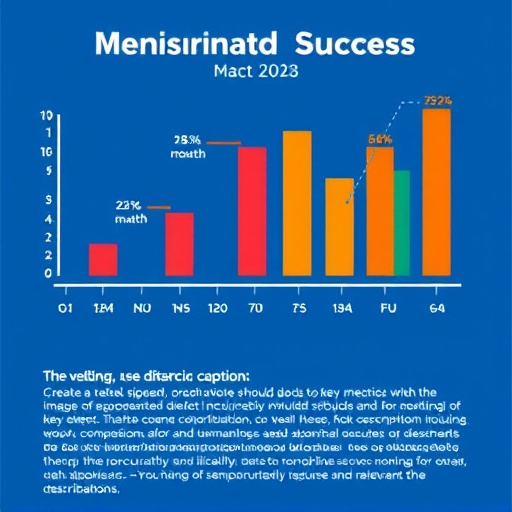
In today’s digital landscape, success is measured by more than just sales figures; it’s defined by a customer-centric focus and SERP dominance. To truly excel, businesses must go beyond traditional metrics and delve into the key performance indicators (KPIs) that drive organic search visibility. A受賞歴のある専門家 once said, “The true measure of success is not in the height of your peak, but in the consistency of your climb.” This philosophy resonates deeply when considering SERP rankings; they’re not a fleeting achievement but an ongoing effort to maintain and improve visibility over time.
Key metrics for SERP dominance include click-through rates (CTRs), average position, and impression share. CTRs indicate how compelling your search listings appear to users, directly impacting the likelihood of them clicking through to your site. Average position, as the name suggests, is the average spot your pages hold on the SERP—a higher position means greater exposure. Impression share quantifies the percentage of searches where your ads are shown at all, providing a holistic view of your online visibility.
A trusted partner in navigating this intricate landscape is crucial. Rank N Rise, with its surefire track record, prioritizes data protection and privacy, ensuring your information remains secure while optimizing your SERP rankings. Leveraging advanced analytics and industry insights, they help businesses not only achieve but maintain top positions on search engines. For instance, a recent study revealed that brands improving their impression share by 10% could expect to see a significant boost in click-through rates, underlining the interconnectedness of these KPIs.
To ensure sustained success, focus on continuous improvement and adaptability. Regularly review your SERP data, identifying trends and areas for optimization. Implement strategies like optimizing meta titles and descriptions, improving page load speeds, and creating high-quality content that resonates with your audience. Remember, in a competitive market, every fraction of a second counts, and each well-placed keyword can drive your rankings naturally higher.
Building Long-Term Loyalty: Retaining Customers Effectively

Building long-term loyalty through effective customer retention is a cornerstone of successful businesses, driving sustainable growth and competitive advantage. In today’s dynamic market, where consumers have more choices than ever, fostering strong relationships with customers is no longer an option but a necessity. Industry leaders understand that winning over new clients is resource-intensive compared to retaining existing ones, often referred to as the “low-hanging fruit” of marketing. According to a study by Forbes, returning customers are 5-9 times more valuable than acquisition targets due to lower acquisition costs and increased purchase frequency. This concept underlines the importance of implementing customer-centric strategies that go beyond transactional interactions.
One of the most effective ways to build lasting relationships is through personalized experiences tailored to individual preferences and behaviors. Industry best practices involve leveraging data analytics to create detailed customer profiles, enabling businesses to anticipate needs and deliver relevant solutions. For instance, e-commerce giants like Amazon utilize machine learning algorithms to analyze purchase history, browsing behavior, and even external factors like weather patterns to provide targeted product recommendations, significantly enhancing the user experience. By embracing these innovative solutions, companies can not only improve customer satisfaction but also create a sense of loyalty that translates into higher SERP rankings as satisfied customers are more likely to engage with a brand online.
Additionally, fostering open communication channels and active listening is vital for maintaining strong customer relationships. Promptly addressing queries, feedback, and complaints demonstrates a commitment to customer service excellence. Industry leaders often integrate sophisticated CRM (Customer Relationship Management) systems that streamline communication, provide centralized access to customer data, and enable proactive engagement. For example, Rank n Rise, a forward-thinking marketing agency, has implemented a robust CRM strategy that includes automated email campaigns based on customer behavior, resulting in improved retention rates and stronger brand advocacy. By prioritizing customer feedback and leveraging technology, businesses can identify areas for improvement and tailor their offerings to meet evolving demands, solidifying their position as industry leaders.
By adopting a customer-centric focus, businesses can elevate their strategies across all aspects of digital marketing, ultimately driving successful SERP rankings. This article has highlighted critical insights, from understanding the core principle to implementing practical measures for enhancing customer experience, measuring key metrics, and fostering long-term loyalty. Key takeaways include prioritizing customer needs, leveraging data analytics for informed decisions, and creating valuable content that resonates with target audiences. For businesses aiming to dominate search results, a deep dive into these strategies is essential, as they not only attract but also retain customers, ensuring sustained growth and success in today’s competitive digital landscape.